Writing
Configs, teardowns, and build logs from a working AI stack.
Field notes by cluster
AI agents, systems, and knowledge infrastructure from the stack I run
These notes are not theory pieces. They cover the agent org, workflow automation, memory, prompts, monitoring, and knowledge base patterns I use in production work.
- AI agents for operations
- AI workflow automation
- Knowledge management AI
Cluster pathways
Common routes through the field notes, by intent.
Setup
Install Hermes, configure tools, memory, and skills, then run a smoke test.
02Plugins
Tools that remove repeated operational failures before you write custom code.
03Skills
Turn tribal process into reusable SKILL.md procedures with validation checks.
04SOUL.md
Write the operating contract for an agent: scope, voice, permissions, red lines.
05Failures
The 48-hour smoke test and the failure modes that appear after the first clean run.
06Monitoring
Task-layer metrics, cost signals, output integrity, and silent failure classes.
07Economics
Cost model for a self-hosted fleet: tokens, review, maintenance, and control.
AI Second Brain With OpenClaw: The Real Stack I Use
The real stack behind my AI second brain: OpenClaw, PARA, Discord, specialist agents, and a model mix that keeps knowledge work inspectable.
Read the essay →AI Agent Tool Execution: When Parallel Breaks Things
Parallel tool execution cuts latency by 40%. It also introduces race conditions, silent state corruption, and double-charge bugs. Here's the operator's guide to getting it right.
Dangerous Command Detection for AI Agents: What Claude Code Got Right
Claude Code showed how useful pre-execution dangerous-command checks can be before shell access. An open-source framework just adopted the same approach. The lesson: agent safety needs pattern recognition at the command level, not just sandboxes.
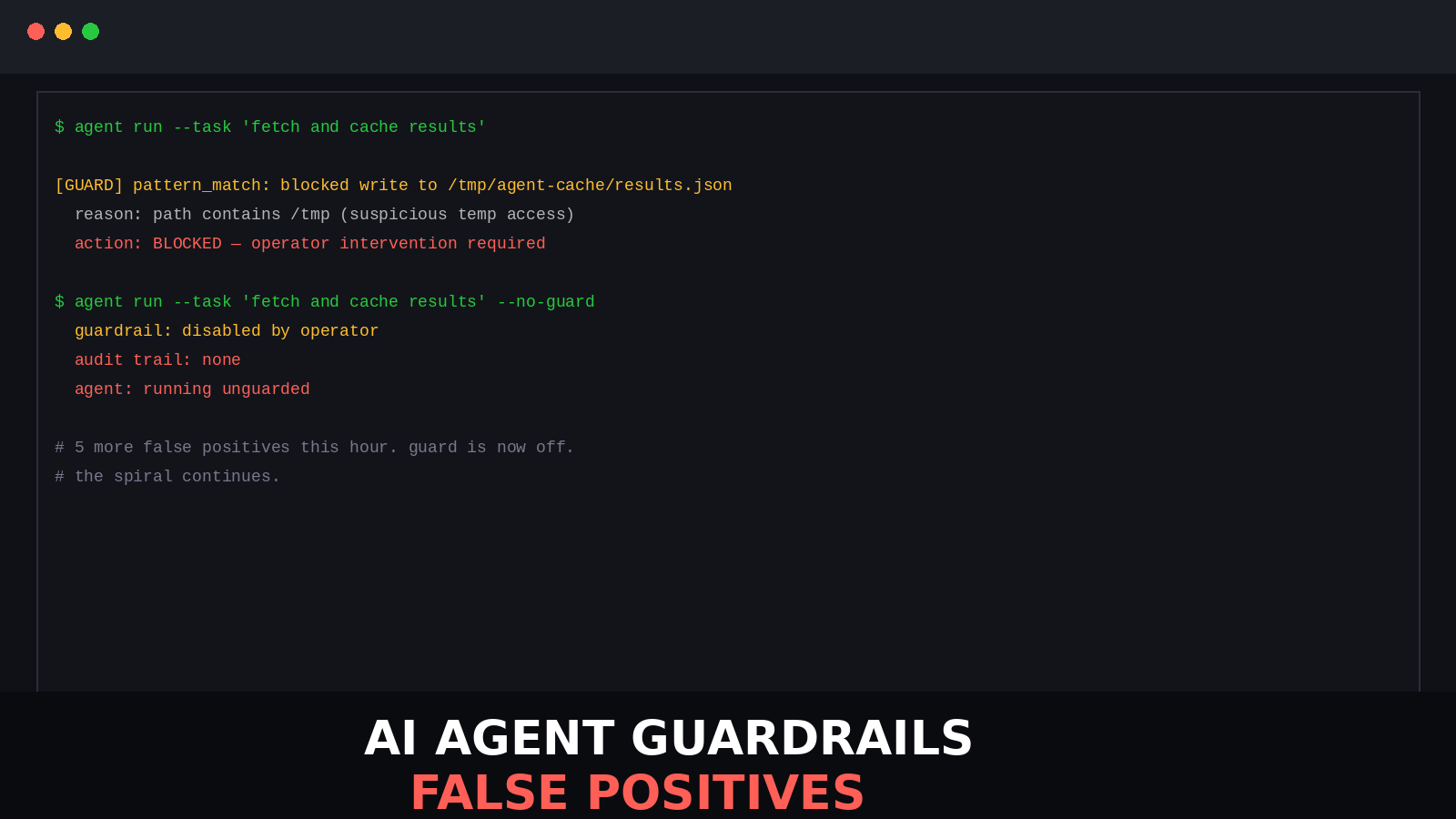
AI Agent Guardrails Are Too Aggressive: The False Positive Problem
AI agent guardrails fire false positives on legitimate actions. Operators bypass them to keep shipping. Here's why it happens and how intent-aware gating fixes it.
Why Most AI Agent Setups Fail Within 48 Hours
AI agent setups die in the first 48 hours — not from weak models, but from config races, over-aggressive guards, first-run friction, blind observability, and missing approval gates. Here are the patterns and the fixes.
llm.txt: The Complete Guide to Making Your Website AI-Agent Discoverable
What llm.txt is, how to write one, how it differs from llms.txt, and how it fits with WebMCP and schema for AI agent discoverability — with examples and a checklist.
WebMCP Implementation Guide: Make Your Website Agent-Ready in Chrome 149
A step-by-step WebMCP implementation guide: declarative tool annotations, testing with the WebMCP inspector, llm.txt setup, and Chrome 149 origin trial instructions for agent-ready websites.
OpenClaw + PARA: How I Organize a Multi-Agent System Without Losing Track
How my OpenClaw/Hermes stack and PARA keep agent work organized through clear boards, lane boundaries, shared resources, and archives.
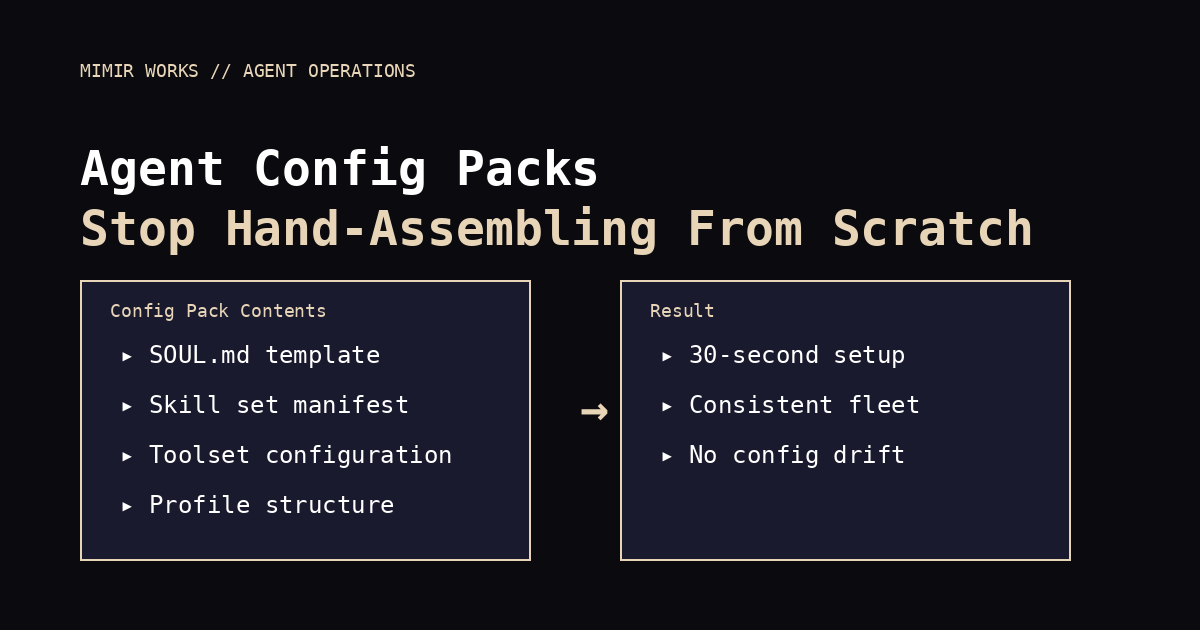
Agent Config Packs: Stop Hand-Assembling Every AI Agent From Scratch
After the third time I copied a SOUL.md from one agent to another, I stopped hand-assembling and built a config pack. Here's the anatomy, the rules that hardened over three months of fleet operations, and the threshold for when you need one.
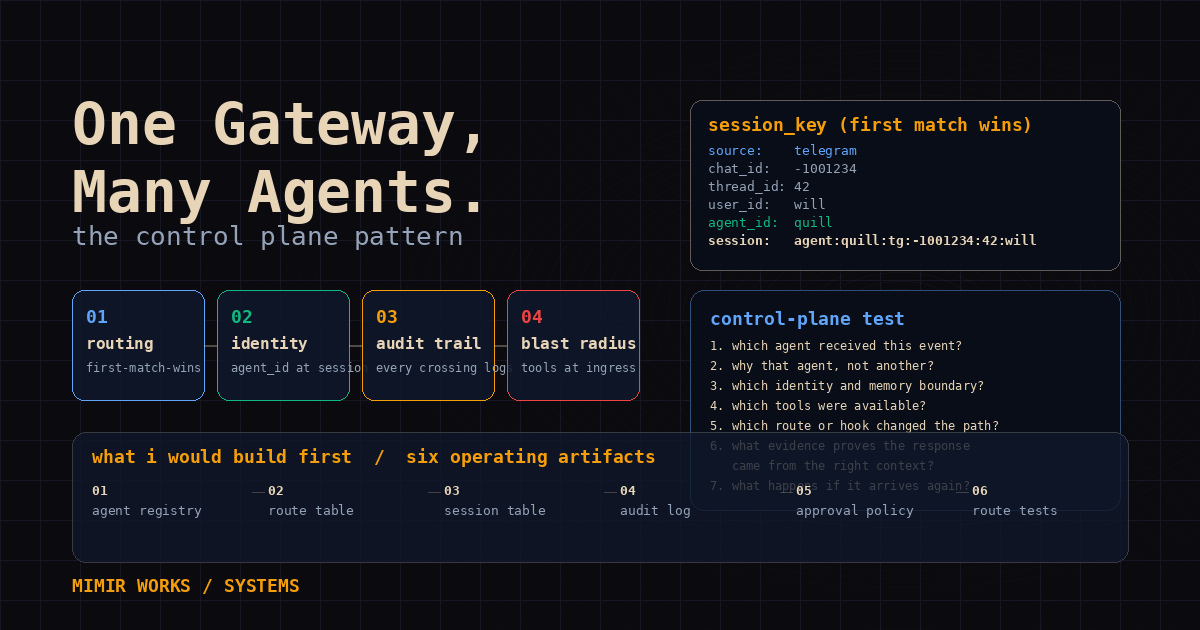
One Gateway, Many Agents: The Control Plane Pattern for Agent Teams
Multi-agent systems need a gateway control plane before they need more personalities: routing, identity, audit trails, and blast-radius boundaries at ingress.
Agent Memory Isolation for Multi-User AI Systems
Multi-user AI agents need memory isolation before retrieval, summaries, or personalization. Learn the scoped-query controls that prevent cross-user memory leaks.
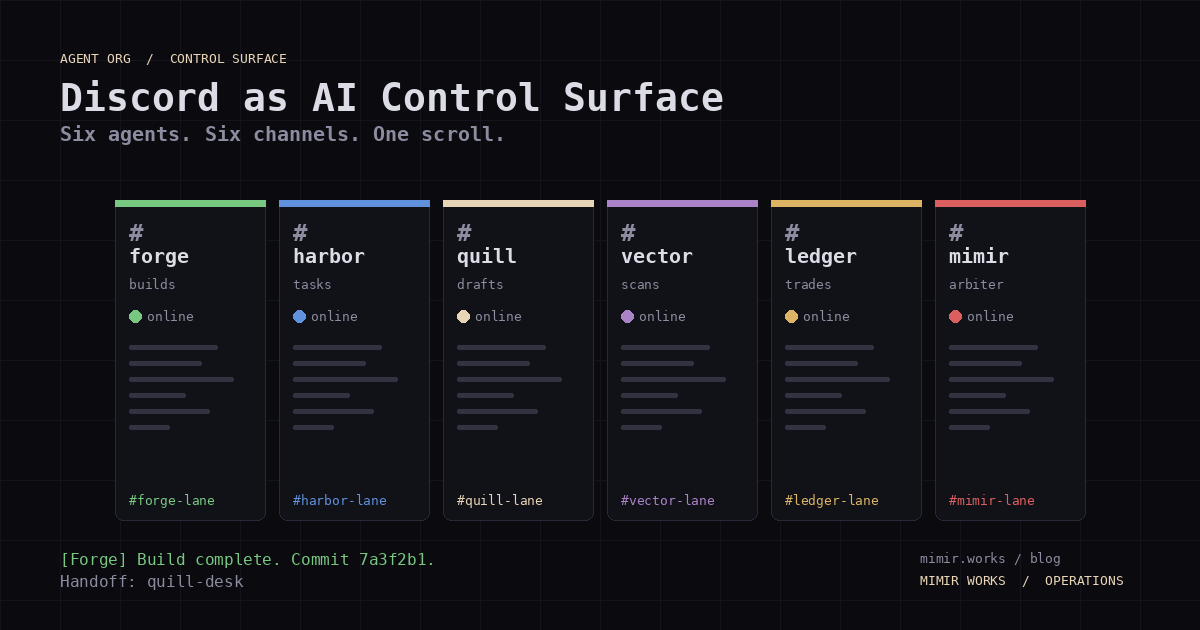
Discord as AI Control Surface: Running an Agent Org Through Chat Channels
I run 6 AI agents through Discord channels. No dashboards, no task boards as front-ends. Just chat. Here's the channel architecture, permission model, and failure handling at the Discord layer.
Silent AI Agent Failures
Agent systems fail silently: dropped messages, invisible-unicode cron blocks, and reasoning echo-back loops that treat a model’s own output as new facts.
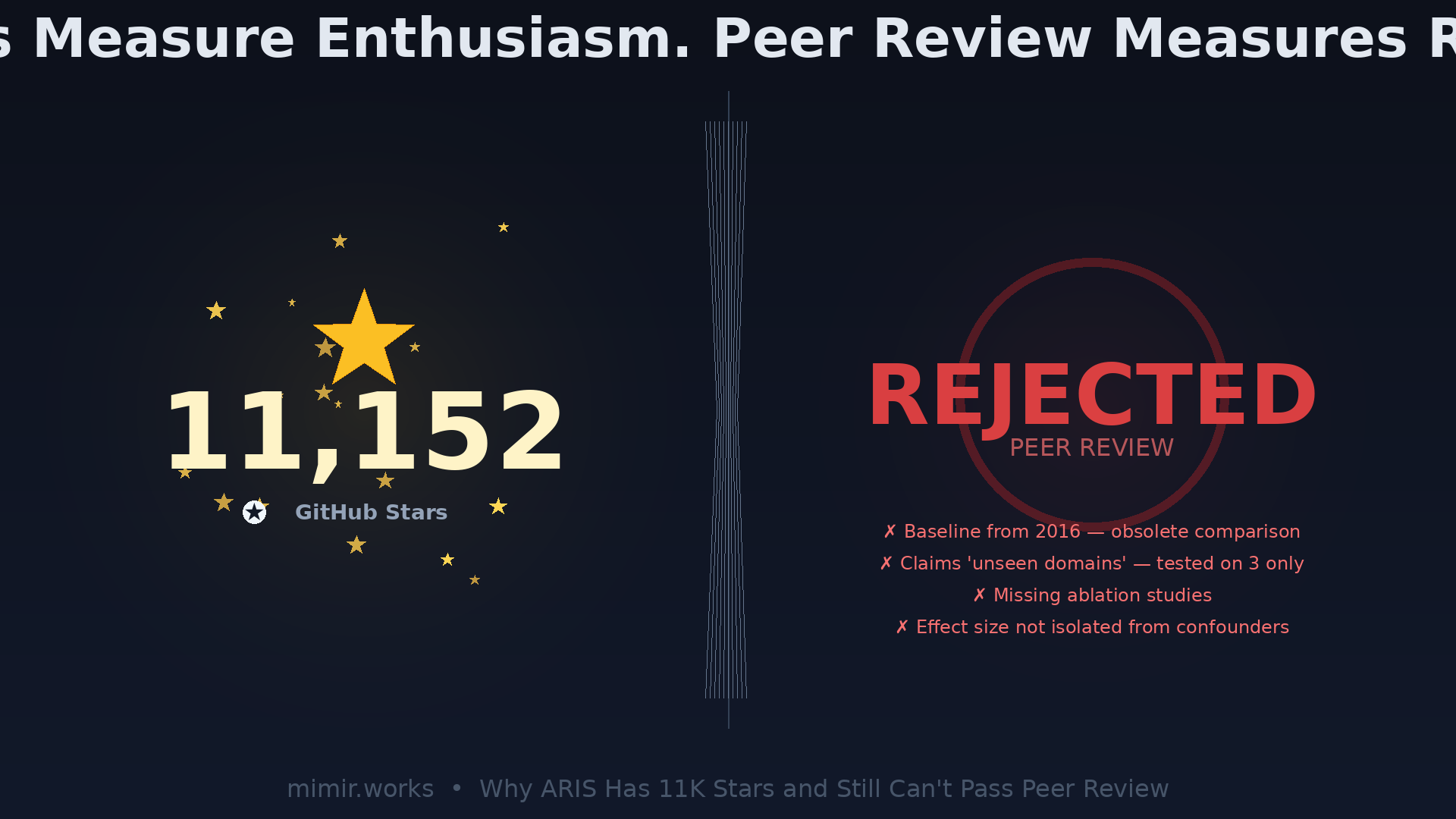
Why ARIS Has 11K Stars and Still Can't Pass Peer Review
ARIS has 11K stars but fails peer review. Here is the research rigor gap in autonomous literature review - and a fail-closed methodology that fixes it.

AI Agent Web Tools Need Failure Budgets, Not Happy Paths
The six major AI agent frameworks still ship web tools built for demos, not production. Browser automation fails like infrastructure. Your agent needs partial results, typed errors, failure budgets, and traces that survive the unhappy path.
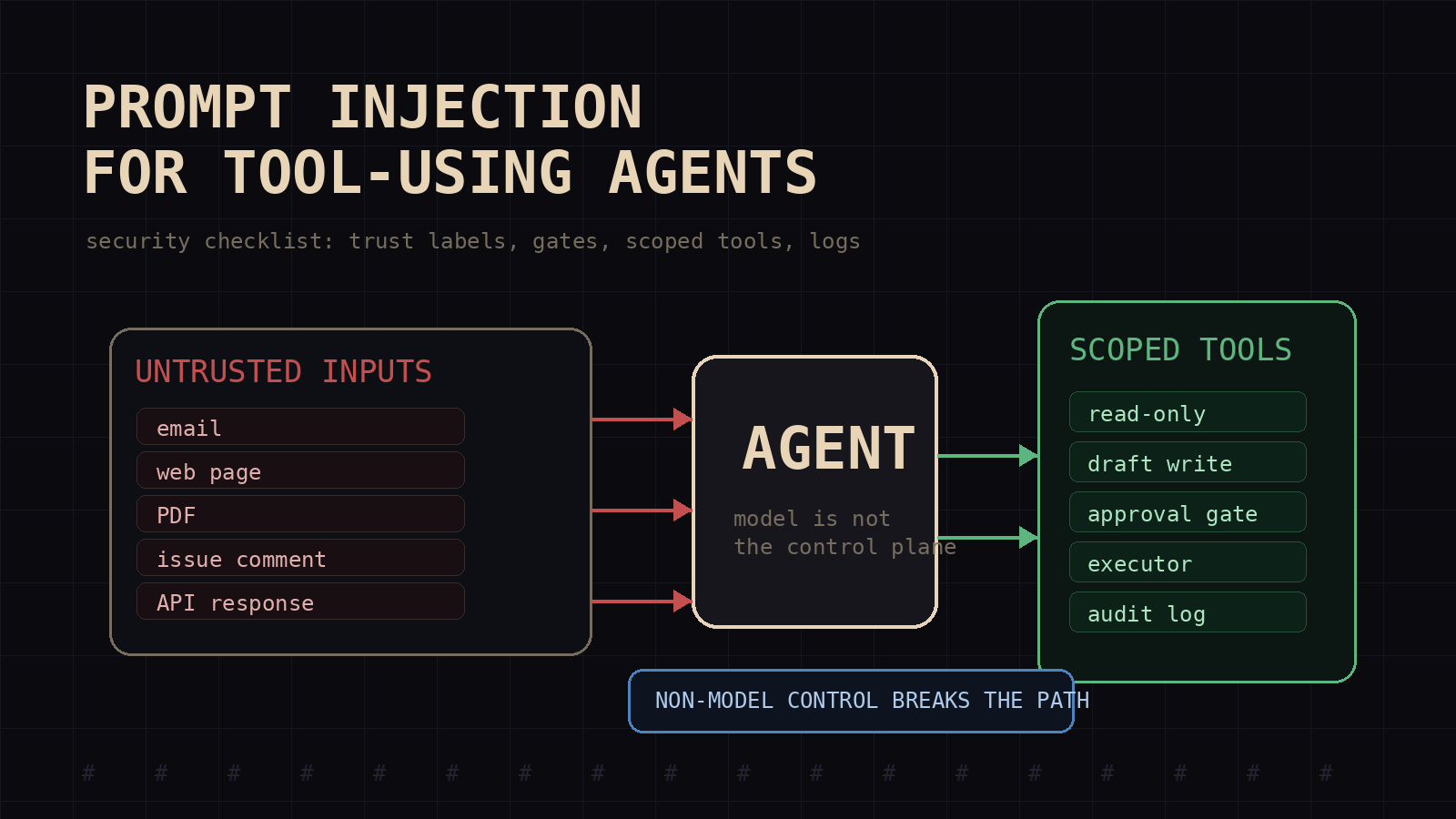
Prompt Injection for Tool-Using AI Agents: A Security Checklist
Prompt injection turns dangerous when agents read untrusted content and call tools. Use this checklist before granting file, API, or message access.
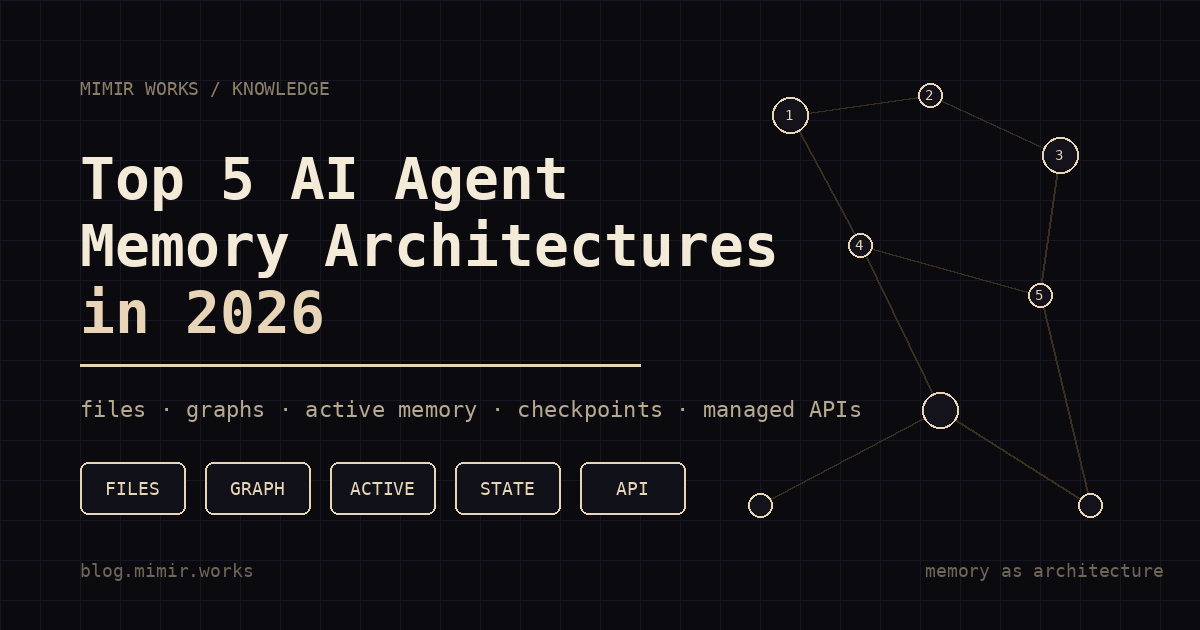
Top 5 AI Agent Memory Architectures in 2026
Five AI agent memory architectures I would build around in 2026, plus the failure mode each one handles.
n8n Self-Hosted Agent Automation: Why I Moved Off Make and Zapier
I ran my agent orchestration on Make.com for six weeks. Then I hit the operation limits, the missing version control, and the opaque errors. Self-hosted n8n costs $6/month and handles whatever throughput you throw at it.
Local vs Cloud AI Agents: Cost, Privacy, Latency, and Control
A practical operating model for choosing local, cloud, or hybrid AI agent execution across cost, privacy, latency, and control.
Human-in-the-Loop AI Agents: Approval Gates That Make Automation Useful
Human-in-the-loop AI agents work when approval gates sit at publish, spend, delete, send, merge, and production boundaries.
How to Evaluate AI Agents: Tasks, Scores, and Failure Modes
AI agent evaluation should measure real tasks, acceptance criteria, rework rates, and failure modes before agents touch production work. Here is the scorecard I use.
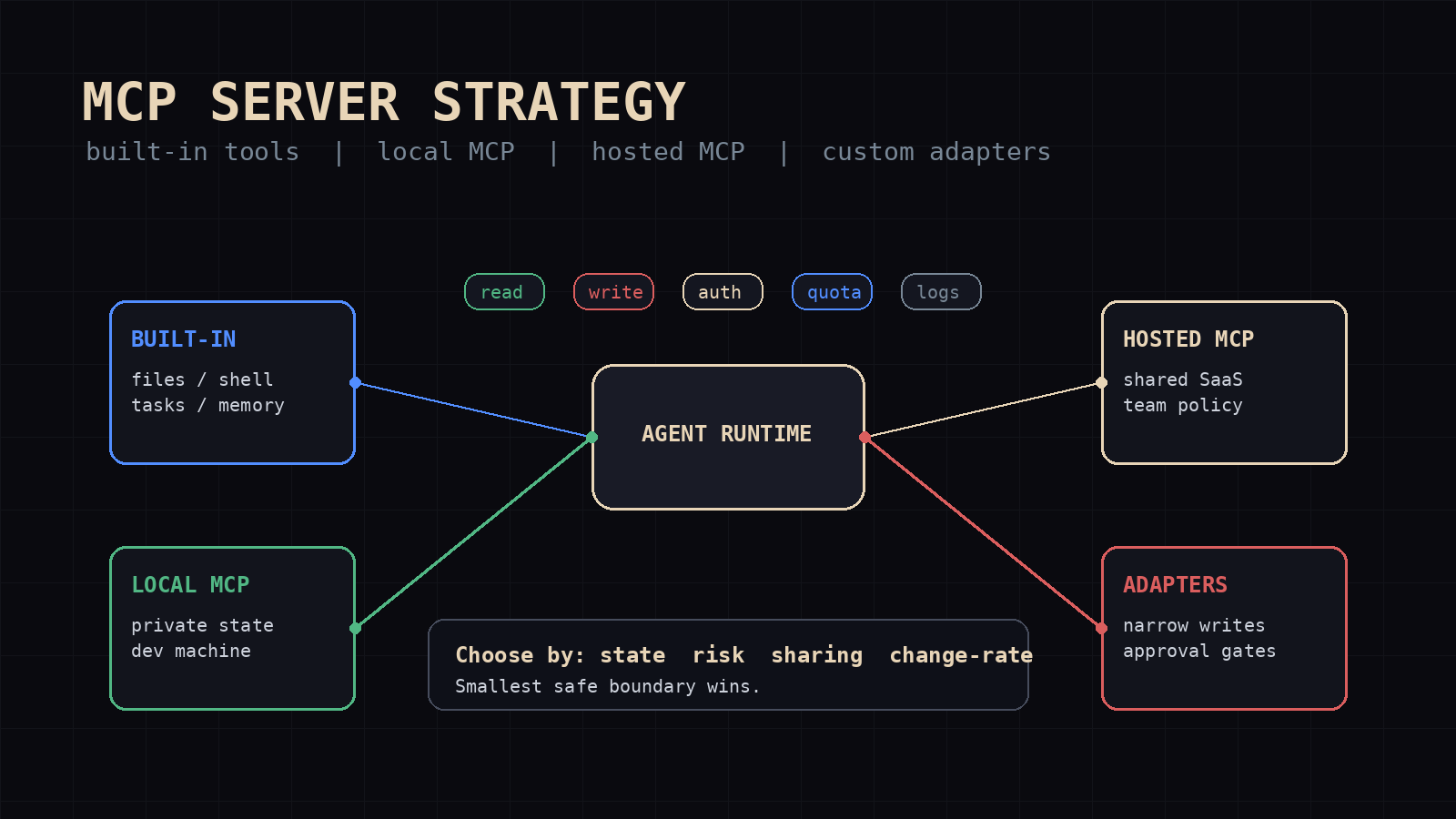
How to Choose an MCP Server Strategy for Your AI Agent Stack
Use built-in tools, local MCP, hosted MCP, and custom adapters without turning your agent stack into glue-code sprawl.
AI Workflow Automation for Small Teams, Without the Science Project
AI workflow automation works for small teams when the workflow is scoped, logged, reversible, and owned by an operator instead of treated like a magic agent demo.
AI Workflow Automation With Existing Tools: When Not to Add n8n, Zapier, or Another App
Before adding another automation app, audit whether Gmail, Sheets, Airtable, HubSpot, Slack, and current APIs can handle the first safe workflow.
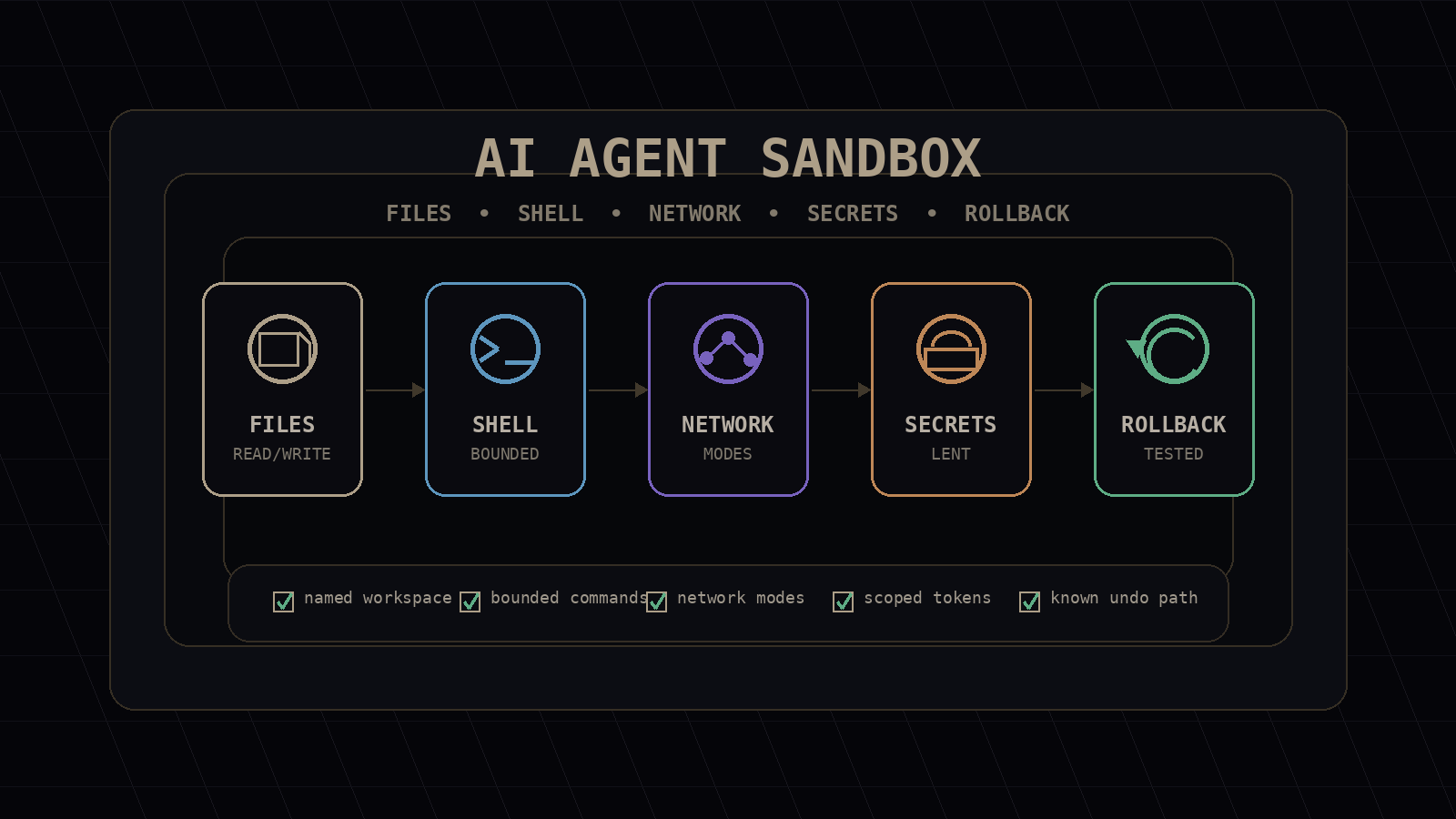
AI Agent Sandbox Checklist: Files, Shell, Network, Secrets, Rollback
A practical AI agent sandbox checklist for file access, shell commands, network calls, secrets, approval gates, and rollback before agents touch production.
AI Agent Handoffs Need Receipts
AI agent handoffs fail when the next worker has to trust a summary without proof. Receipts turn multi-agent work into an audit trail: artifacts, commits, task IDs, tests, screenshots, and blockers.

The Economics of Running Your Own AI Agent Fleet
What drives AI agent fleet cost: model calls, orchestration, context, failed runs, human review, and the maintenance work that keeps the fleet coherent.
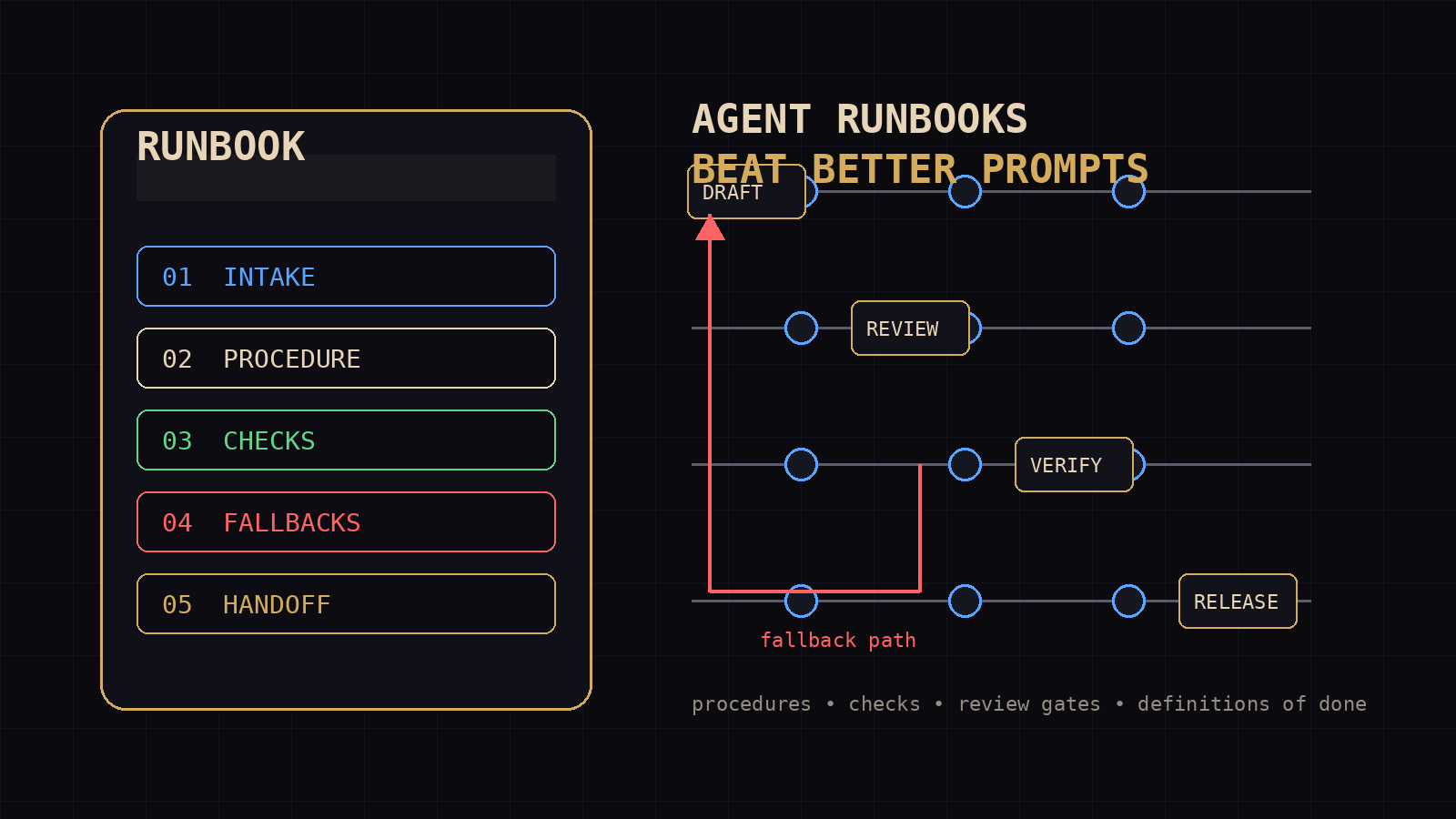
AI Agent Runbooks Beat Better Prompts
Reliable agents come from runbooks: procedures, checks, fallbacks, ownership, and definitions of done. Prompt phrasing is the smallest part of the system.
The Best GUIs, TUIs, and CLIs for Running AI Agents Locally
A practical map to Open WebUI, LibreChat, AnythingLLM, Jan, Goose, OpenCode, and Aider: when to use a GUI, TUI, CLI, or background worker.
Ollama Can Now Launch the Codex App With Local Models
Ollama v0.24.0 adds Codex App setup, which lets the installed desktop app route through Ollama local and cloud models.
Agent Runtime Config Migrations Need Rollback Plans
Agent runtime config migrations fail quietly when they rewrite files without dry runs, diffs, backups, validation, and a verified rollback path.
10 Hermes Plugins Worth Installing Right Now
The Hermes Agent plugins worth installing first are the ones that remove repeated operational failures: cleanup, meetings, ambient control, and memory backends.
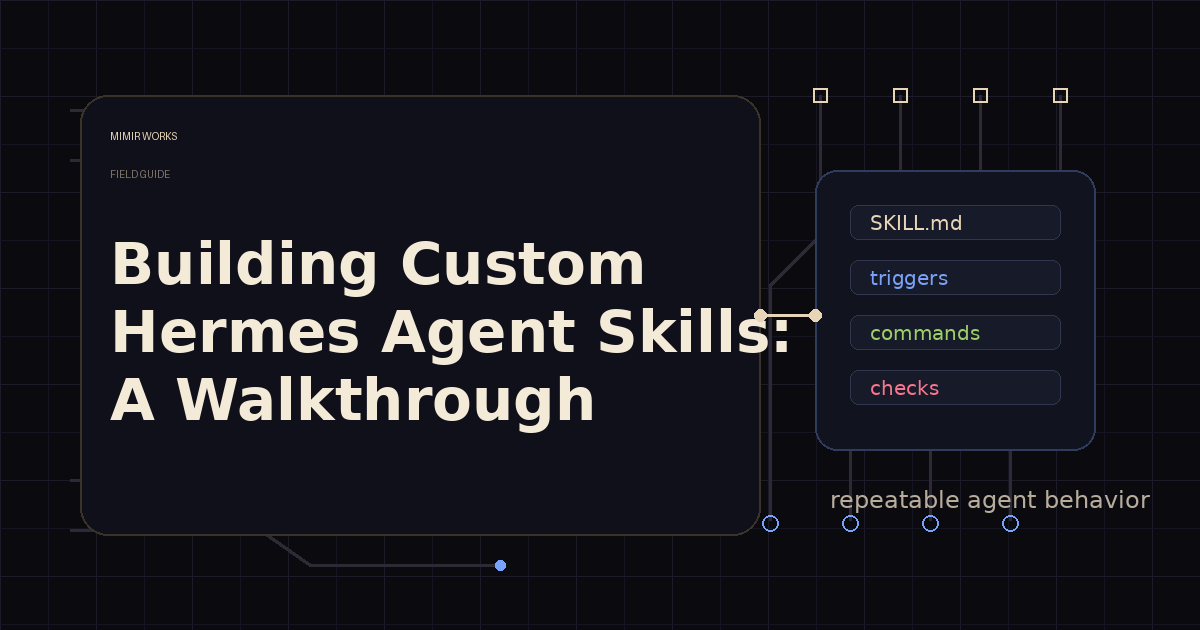
Building Custom Hermes Agent Skills: A Walkthrough
Build custom Hermes Agent skills with SKILL.md, clear triggers, exact commands, validation checks, and maintenance rules.
Top 7 Multi-Agent Orchestration Patterns
Seven multi-agent orchestration patterns I use, where each breaks, and when to choose it.
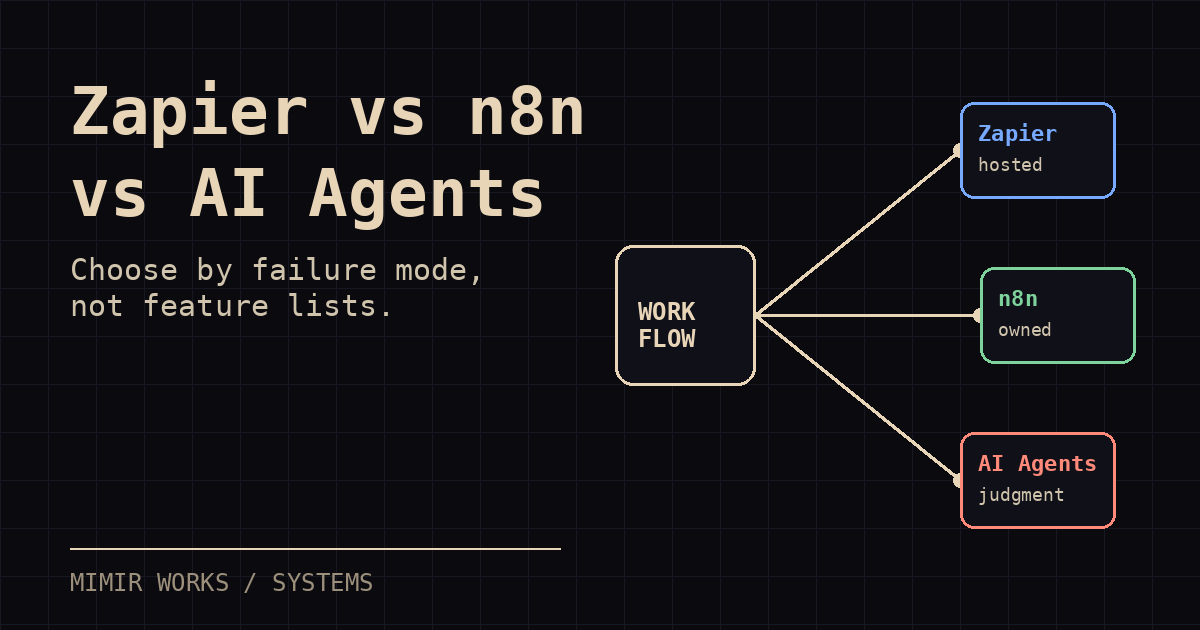
n8n vs Zapier vs Custom AI Agents: Which Automation Path Fits?
A practical decision guide for choosing hosted automation, self-hosted workflows, custom AI agents, or no automation yet.
How to Write a SOUL.md That Actually Works
A SOUL.md is not a mascot file. It is an operating contract for an agent: scope, voice, permissions, escalation rules, memory policy, and failure modes.
Why AI Agent Setups Fail Within 48 Hours
AI agent setups fail fast when they lack durable state, ownership rules, recovery paths, and approval gates. Here is the 48-hour test I use.
Hermes Agent Setup Guide: Zero to Running in 30 Minutes
Install Hermes Agent, configure tools, memory, skills, and gateway, then run a smoke test without turning day-one automation into production risk.

Monitoring AI Agents in Production: What to Watch
AI agent monitoring should start at the task layer: outcomes, tool calls, token spend, context pressure, delegation depth, approvals, and delayed quality.
Why AI Agents Break in Production: Failure Modes I've Hit and How I Debug Them
My AI agents fail in predictable ways: context collapse, prompt drift, tool misuse, and silent delegation loops. Here's each failure mode, what caused it, and the debugging steps I use now.
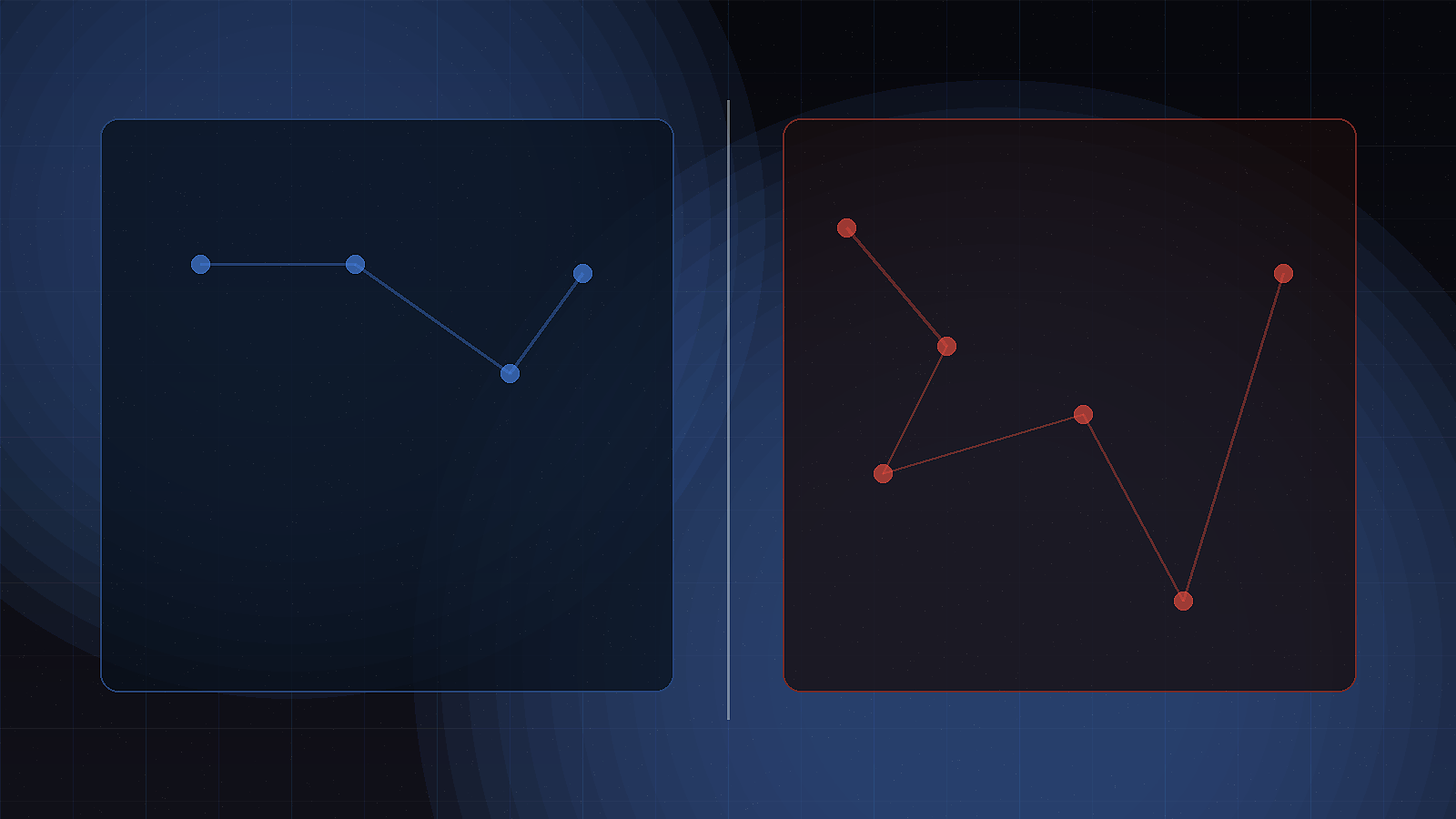
Configured Architecture vs Live Architecture: The Diagram Is Not the System
The architecture diagram and the running agent system are never the same thing. I now track the gap instead of pretending the drawing is reality.
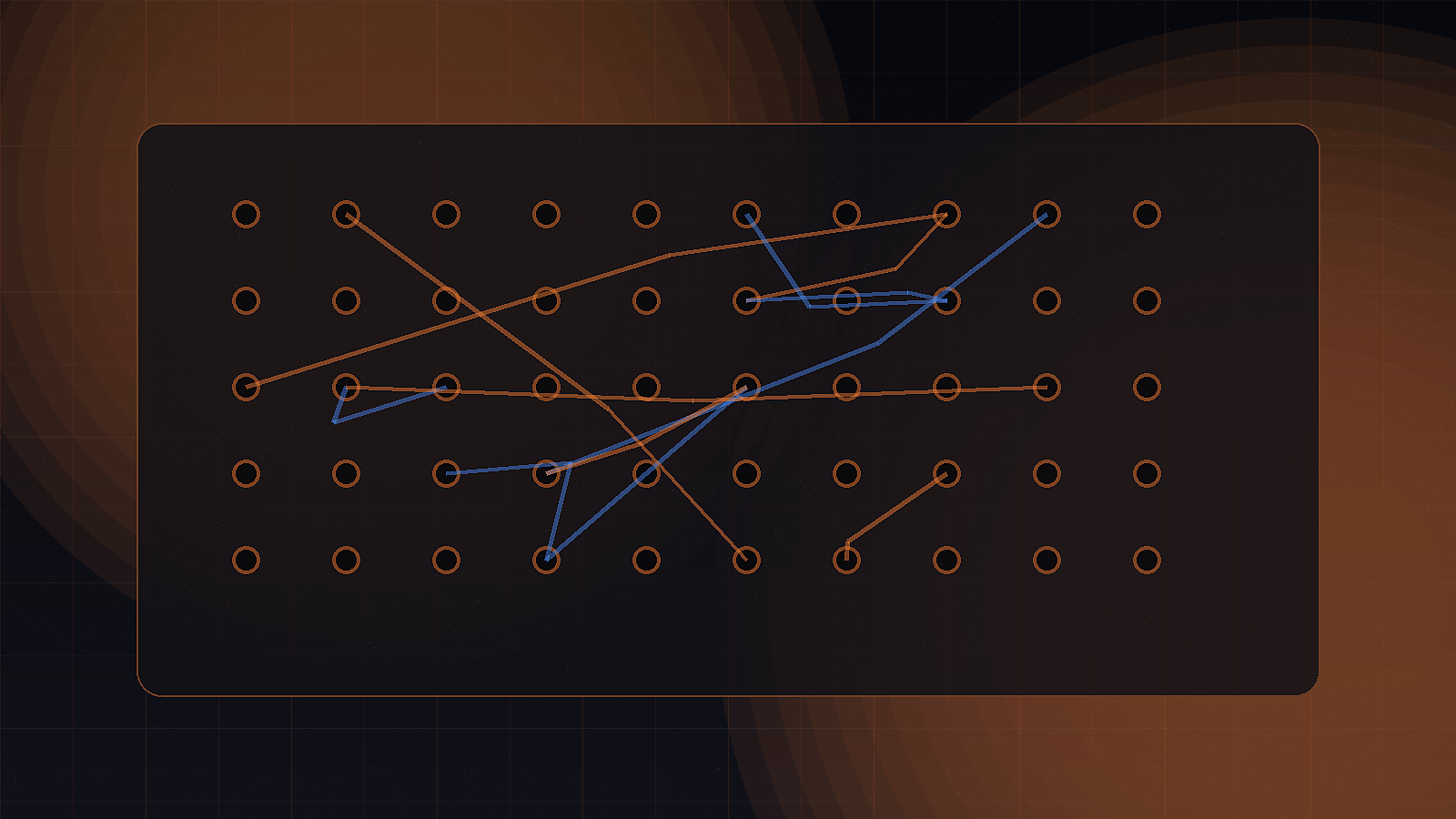
Self-Hosted AI Automation With n8n: A Practical Setup
A practical self-hosted AI automation setup with n8n: webhooks, model calls, review gates, workflow logs, and the parts I keep outside SaaS.
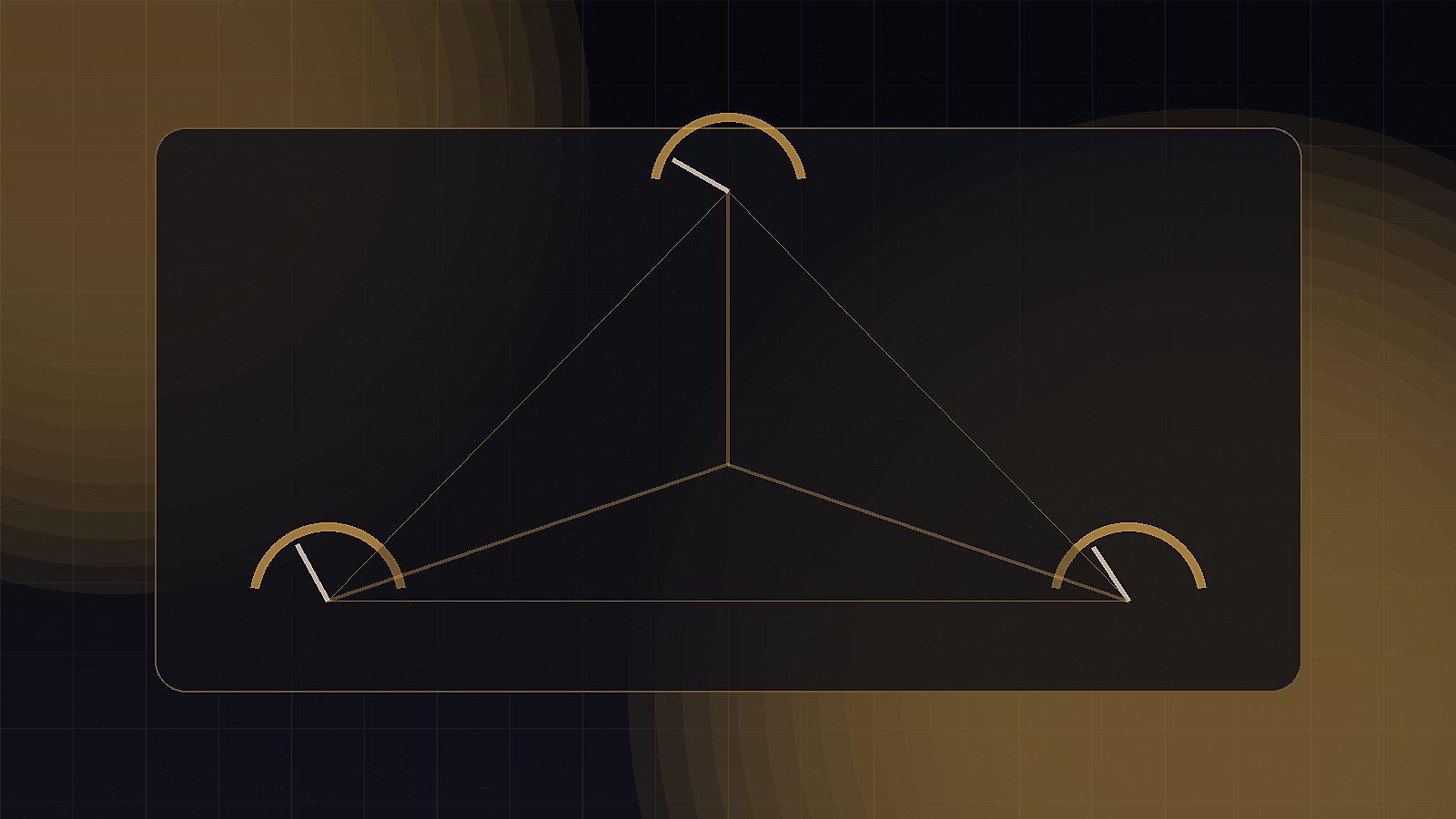
What It Actually Costs to Run AI Agents: A Practical Breakdown
Most AI agent cost posts quote enterprise prices. Here's what a solo operator actually spends running a multi-agent org, with real numbers for token costs, infrastructure, and the tradeoffs that matter.
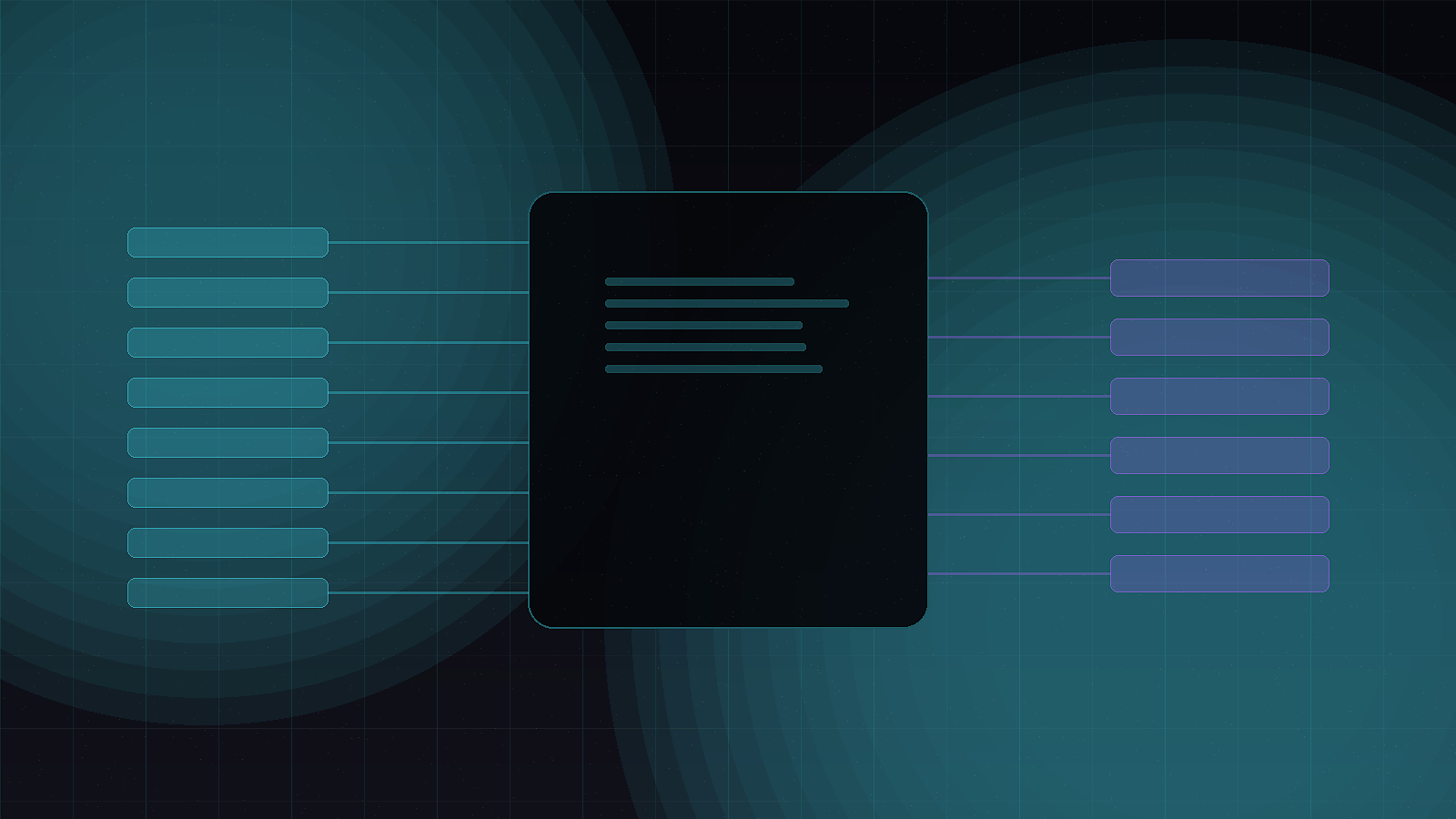
Chat Completions API: What I Learned Running It in Production
The Chat Completions API looks simple until you add tools, memory, and real users. Here's what I changed to make it hold up under production load.
ChatGPT System Prompts That Survive Production
My AI agent kept drifting in real workflows. Here is what I changed in the system prompt: boundaries, tests, tool rules, escalation paths, and versioning.
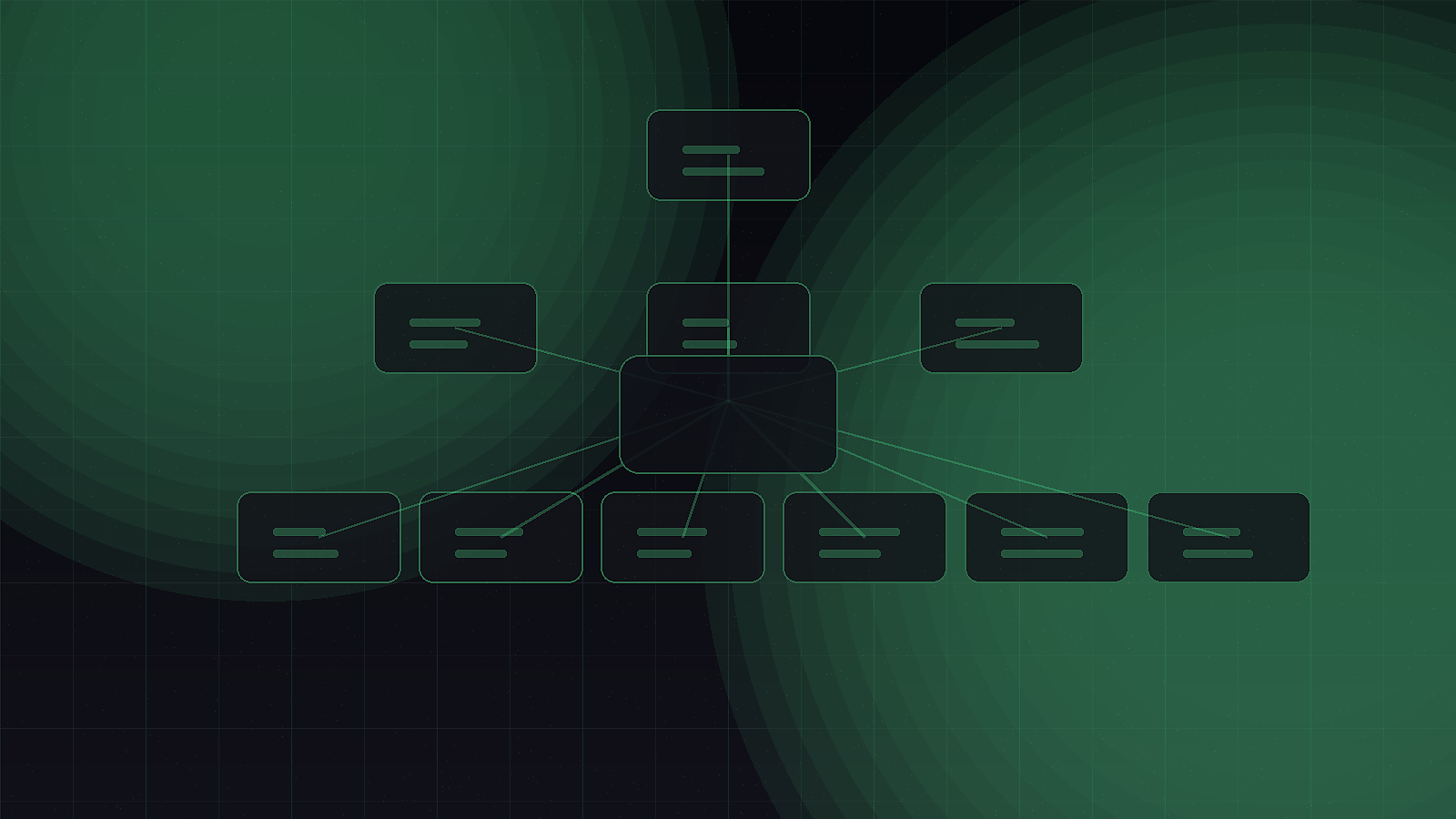
AI Agent Org Chart: How I Split Roles So Work Ships
One AI agent tried to do everything and nothing got finished. Here is the specialist agent org chart I use for ownership, escalation, and handoffs.
AI Agent Workflows That Actually Ship
My agent workflows kept breaking in production. Here's what I changed: orchestration patterns, knowledge structure, and the memory layers that made the difference.
AI Agent Memory: How I Built Persistent Memory Into My Agent Org
Persistent AI agent memory is not one feature. Here is the three-layer system I use across session logs, vault files, and compiled knowledge so agents retain context.
OpenClaw Setup Guide: From Zero to Running Agents
A practical OpenClaw setup guide for agents, memory, chat, vault structure, heartbeat loops, and the mistakes I hit while building the system.
How My AI Agent Org Evolved as the Work Got Real
When blurry ownership started slowing the system down, I split roles. Here's what changed, why, and what got better once each agent had a clear job.
PARA Method for AI Knowledge Bases: How My Vault Stays Organized
How the PARA method works inside a real AI knowledge base: folder structure, promotion rules, agent write paths, and the habits that keep it usable.
Why Specialist Agents Beat One Big AI Chat
Specialist AI agents produce better context, cleaner delegation, and more durable systems than one big chat thread. Here's why, and when to start adding them.
How I Turned My Obsidian Vault Into an AI Operating System
I turned an Obsidian vault into an AI operating system with specialist agents, markdown memory, search, routing, and documentation workflows I can audit.