Why Specialist Agents Beat One Big AI Chat
The default way most people use AI is simple: open one chat, throw everything into it, and hope the model keeps up.
That works for a while.
Then your job search mixes with your finances. Your client work collides with personal admin. Your long-term plans get buried under today's tasks. The assistant feels smart in the moment but unreliable over time.
That's the wrong mental model.
The goal is a system that keeps domains separate, preserves context, and delegates cleanly.
That's why I prefer specialist agents.
The problem with one big chat
A single general-purpose assistant looks elegant at first. One place to talk. One thread to search. One personality to manage.
But once the volume of life and work grows, the simplicity becomes a trap:
- context from one domain bleeds into another
- priorities get flattened together
- memory becomes noisy
- every new task competes with everything before it
- the assistant develops a vague understanding of many things instead of a sharp understanding of a few
The model isn't the problem. The operating structure is.
Specialist AI agents map better to real life
Real life already has domains. Work isn't the same as family admin. Personal finances aren't the same as content strategy. Agency operations aren't the same as career planning.
Instead of forcing one assistant to hold all of that, I split the system by responsibility.
In my setup:
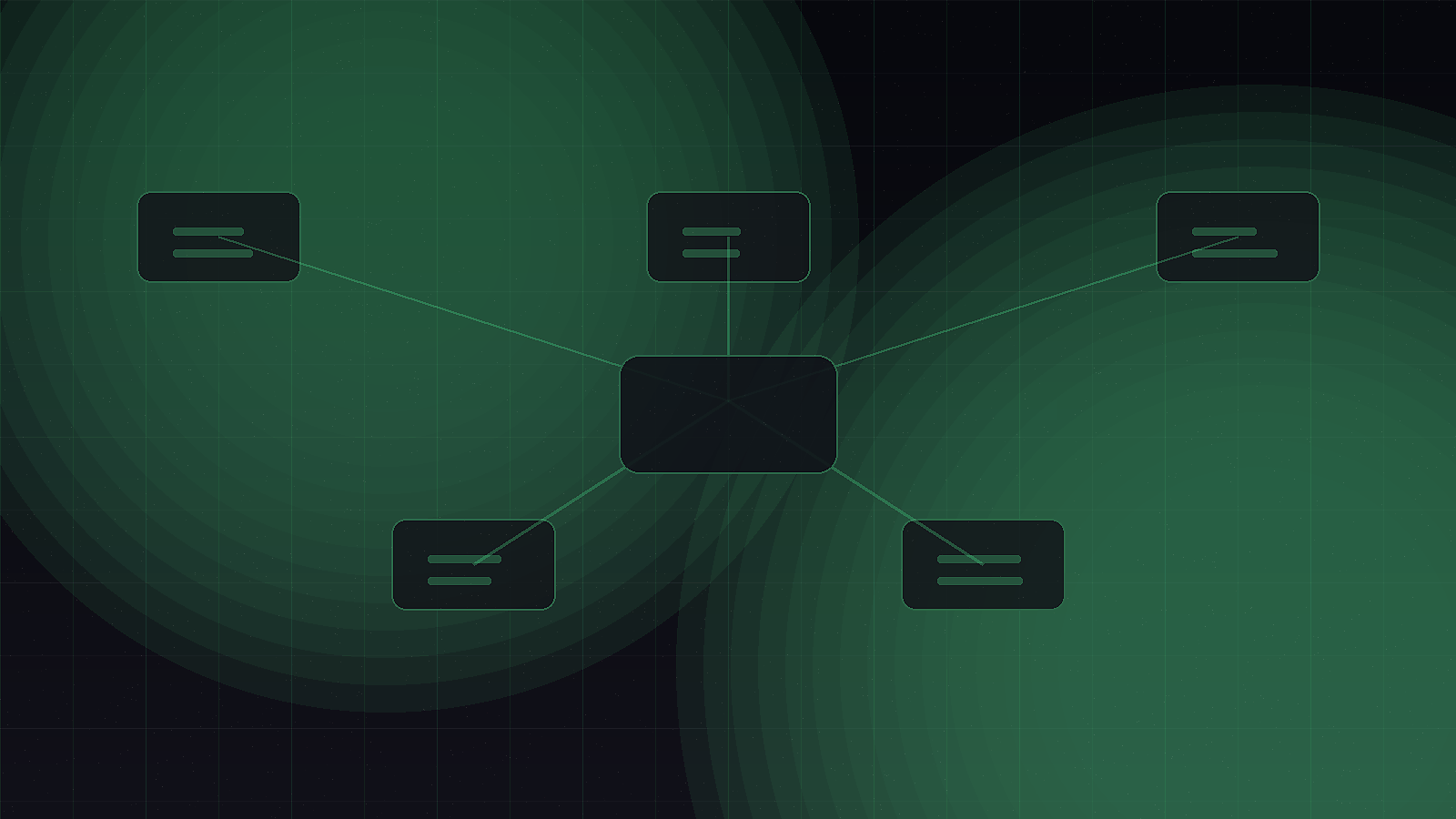
- Mimir: orchestrator
- Harbor: life admin
- Vector: job search and career strategy
- Ledger: finance
- Forge: ventures, revenue systems, side projects
- Quill: content execution, editorial packaging, repurposing
Each agent has its own scope, instructions, working style, and files. That means each one gets to be narrower, more opinionated, and more useful.
Better context beats bigger context windows
A lot of AI users think the answer is more context. Bigger windows. More memory. Longer transcripts.
Sometimes that helps. But a better structure helps more.
A specialist agent doesn't need to know everything. It needs to know the right things. That means:
- cleaner prompts
- less cross-domain contamination
- better retrieval quality
- clearer decision boundaries
- more predictable outputs
One shift in AI system design that matters: relevance beats raw accumulation.
Delegation becomes real
Once you have specialists, delegation stops being performative.
A general assistant can say, "I can help with that." A specialist system can actually route the task to the right context owner.
That matters because a lot of useful work isn't just answering a question. It's:
- reviewing an existing project state
- operating inside a domain-specific workflow
- maintaining continuity over time
- returning a distilled answer instead of a rambling one
This gets better when specialists can spawn subagents for burst work. The specialist keeps responsibility. The subagent handles depth. The orchestrator keeps the system coherent.
Closer to how a real team works.
Personality isn't fluff
One underrated benefit of specialist agents is tone.
Not because tone is cute, but because tone reinforces role. A finance agent shouldn't sound like a creative brainstorm partner. An agency operator shouldn't sound like a household admin bot. The style defines what kind of thinking the agent is supposed to do.
That makes it easier to notice when something has drifted out of bounds.
The tradeoffs
Specialist agents aren't free. You're adding more structure, more files, more configuration, more routing logic. If your system is tiny, that's overkill.
They also work best when the memory stack is layered, not vague. Native session memory, vault-wide retrieval, and compiled knowledge all help specialists stay sharp instead of becoming mini versions of one bloated chat.
But once the volume of work increases, the trade pays for itself:
- lower prompt chaos
- better continuity
- cleaner ownership
- easier debugging
- better foundations for memory and automation
The right question isn't whether a multi-agent system is more complex. Of course it is.
The real question is whether the complexity matches the complexity of your life or business. Most of the time, it already does.
When to start adding specialist agents
Don't start with six agents.
Start with one orchestrator. Then add a specialist only when you feel repeated domain overload. If you keep having to restate a certain area of life, or one kind of task keeps polluting another, that's a sign the system wants a boundary.
Add agents because the operating model becomes cleaner, not because it looks cool.
Why this wins
One big AI chat is convenient. A specialist agent system is composable.
Convenience works for experimenting. Composability matters for building something you want to live inside for years.
Specialist agents win because they fit the structure of real work better than a single endless thread ever will.
Read next: Building an AI Second Brain With OpenClaw and PARA in a Live AI Vault.