Knowledge field-note hub
Knowledge Management AI and Agent Memory
Useful agents need more than chat history. This hub covers persistent memory, RAG-ready knowledge bases, vault structure, prompt contracts, skills, and documentation workflows that make context inspectable.
What this lane tracks
Commercially useful patterns pulled from live build work.
RAG systems and memory layers built around durable source material
Team knowledge bases that agents and humans can both inspect
AI documentation workflows that turn build logs into reusable procedure
Latest Knowledge notes
12 crawlable notes in this category.
AI Second Brain With OpenClaw: The Real Stack I Use
The real stack behind my AI second brain: OpenClaw, PARA, Discord, specialist agents, and a model mix that keeps knowledge work inspectable.
Read the field note →Agent Memory Isolation for Multi-User AI Systems
Multi-user AI agents need memory isolation before retrieval, summaries, or personalization. Learn the scoped-query controls that prevent cross-user memory leaks.
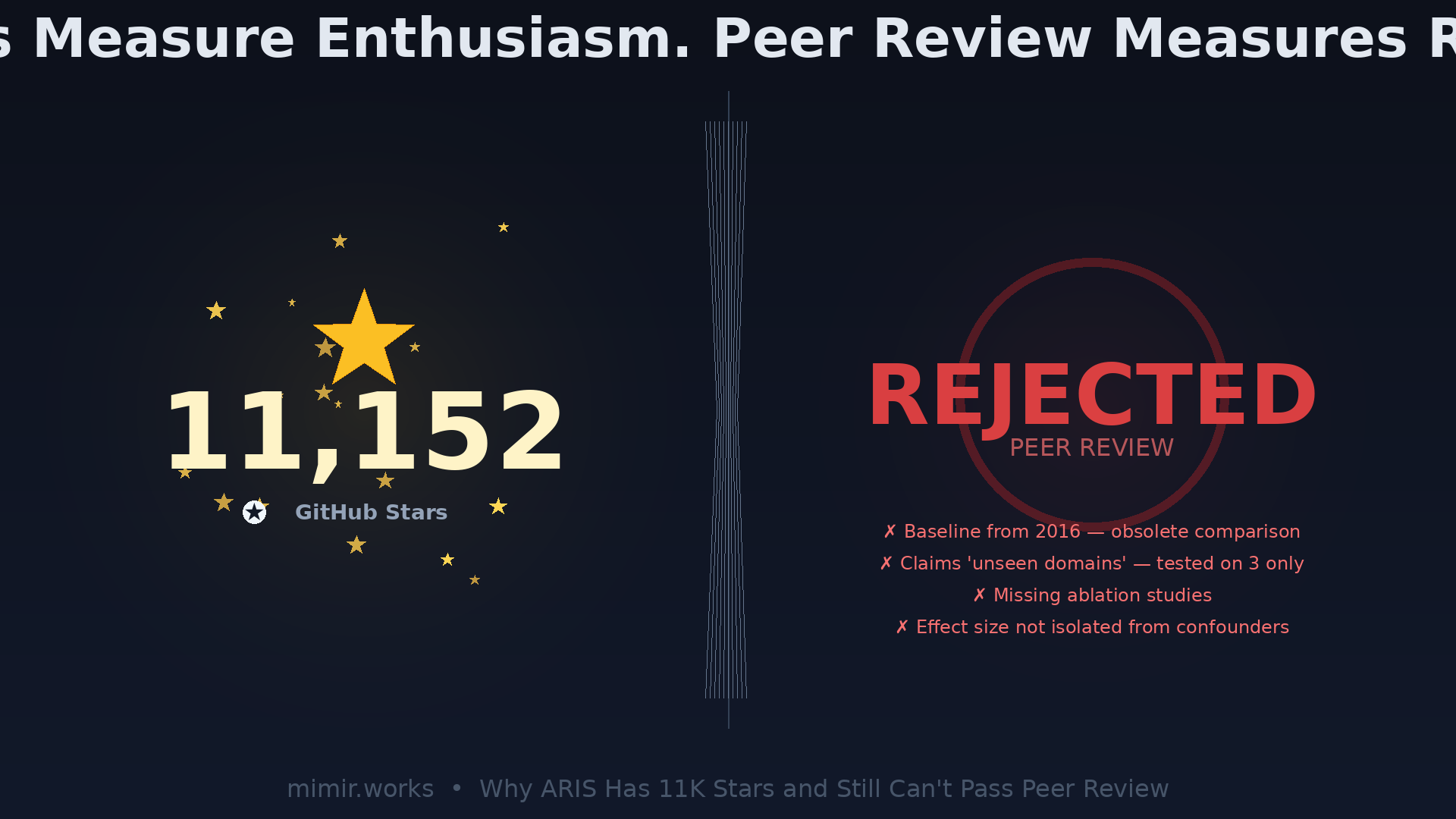
Why ARIS Has 11K Stars and Still Can't Pass Peer Review
ARIS has 11K stars but fails peer review. Here is the research rigor gap in autonomous literature review - and a fail-closed methodology that fixes it.
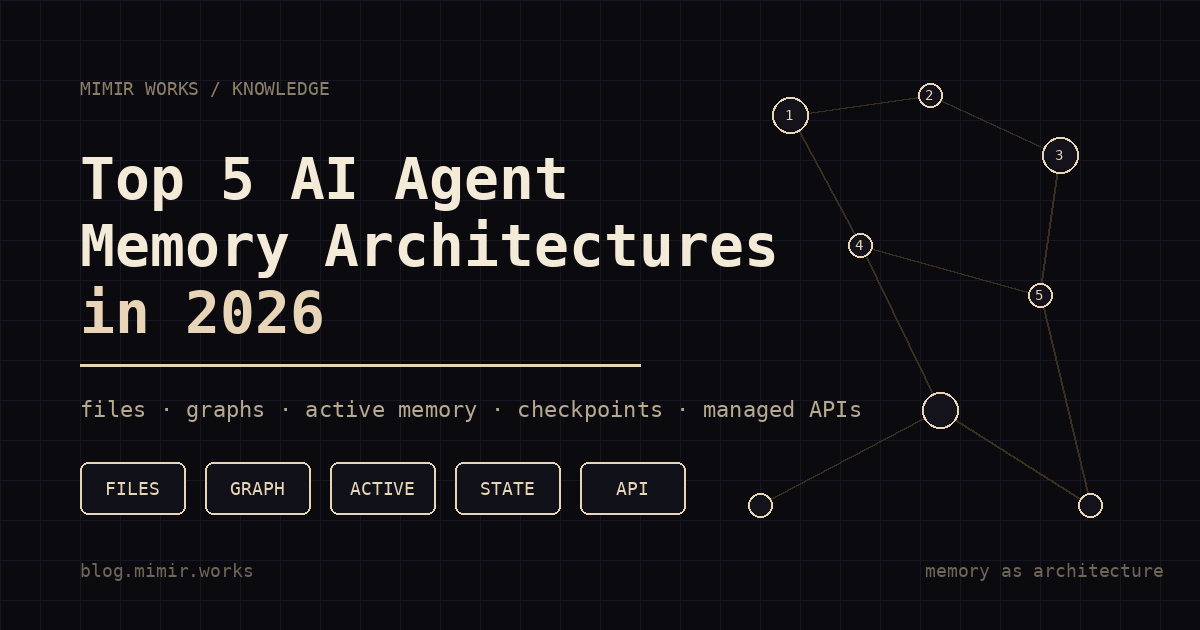
Top 5 AI Agent Memory Architectures in 2026
Five AI agent memory architectures I would build around in 2026, plus the failure mode each one handles.
How to Evaluate AI Agents: Tasks, Scores, and Failure Modes
AI agent evaluation should measure real tasks, acceptance criteria, rework rates, and failure modes before agents touch production work. Here is the scorecard I use.
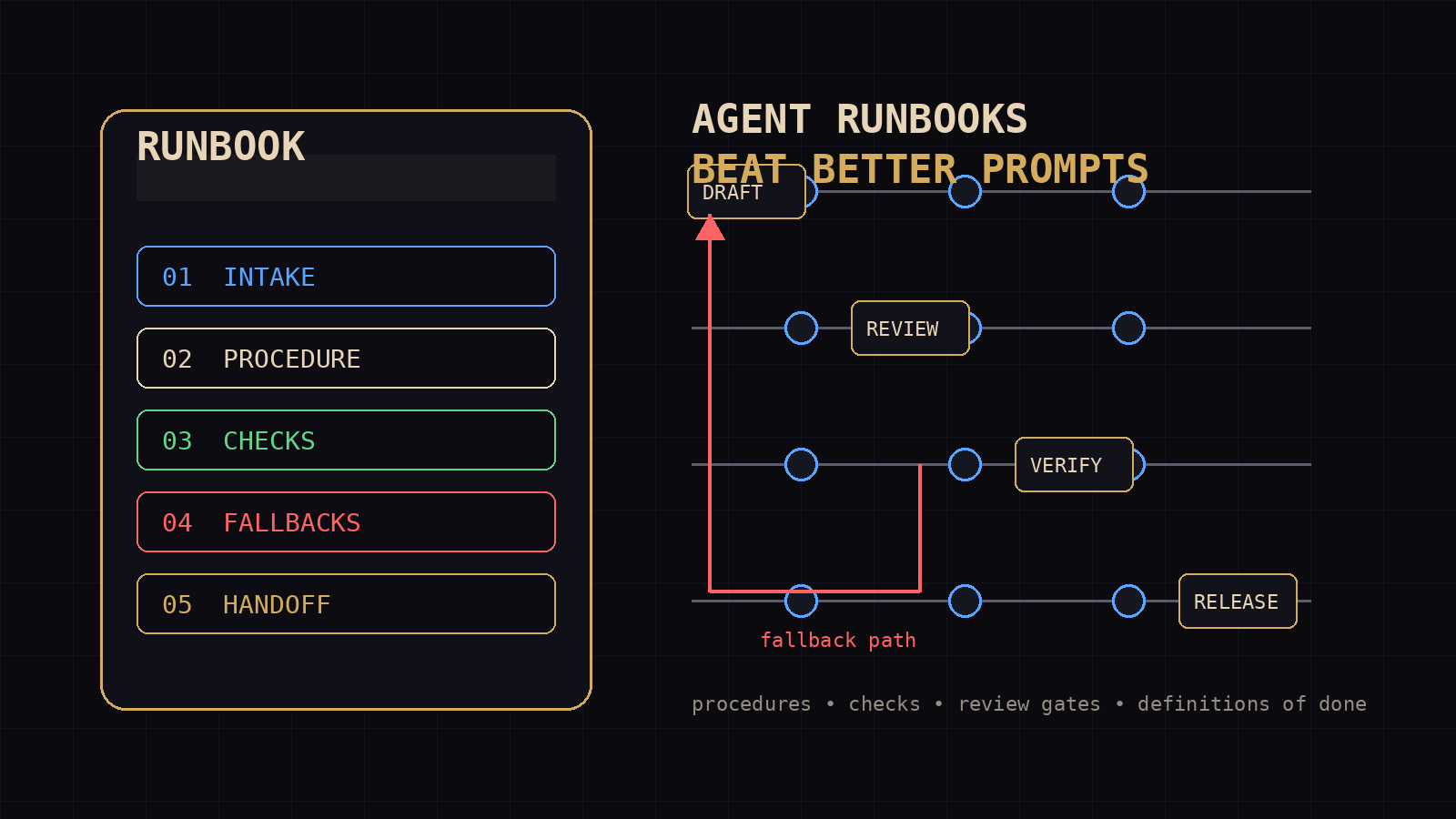
AI Agent Runbooks Beat Better Prompts
Reliable agents come from runbooks: procedures, checks, fallbacks, ownership, and definitions of done. Prompt phrasing is the smallest part of the system.
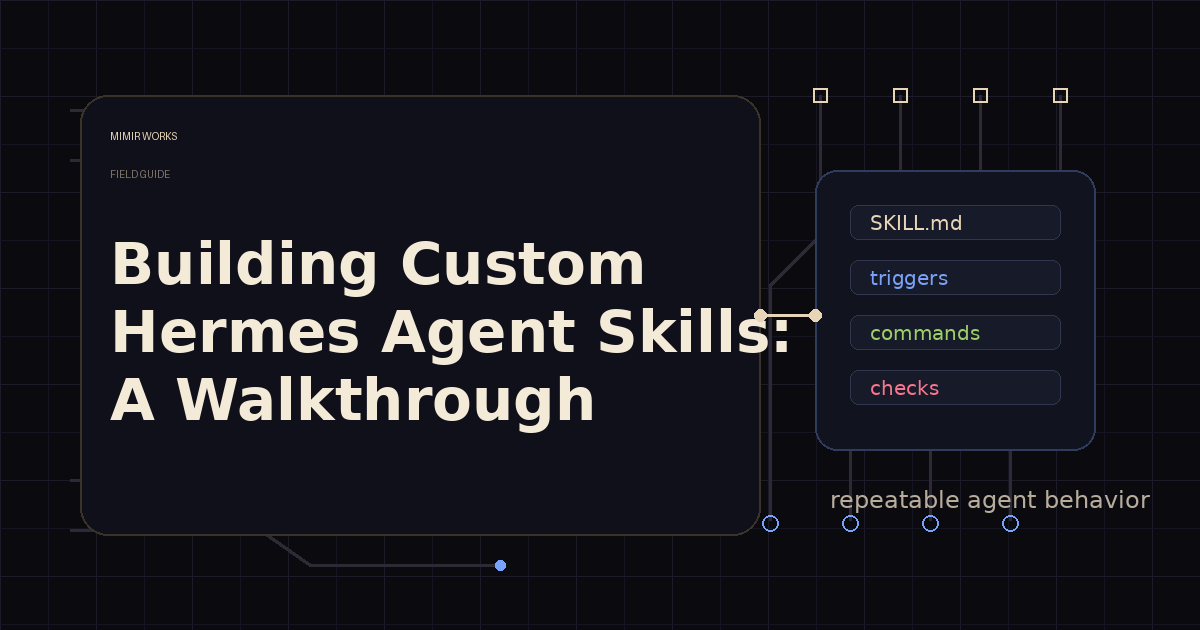
Building Custom Hermes Agent Skills: A Walkthrough
Build custom Hermes Agent skills with SKILL.md, clear triggers, exact commands, validation checks, and maintenance rules.
How to Write a SOUL.md That Actually Works
A SOUL.md is not a mascot file. It is an operating contract for an agent: scope, voice, permissions, escalation rules, memory policy, and failure modes.
AI Agent Memory: How I Built Persistent Memory Into My Agent Org
Persistent AI agent memory is not one feature. Here is the three-layer system I use across session logs, vault files, and compiled knowledge so agents retain context.
OpenClaw Setup Guide: From Zero to Running Agents
A practical OpenClaw setup guide for agents, memory, chat, vault structure, heartbeat loops, and the mistakes I hit while building the system.
PARA Method for AI Knowledge Bases: How My Vault Stays Organized
How the PARA method works inside a real AI knowledge base: folder structure, promotion rules, agent write paths, and the habits that keep it usable.
How I Turned My Obsidian Vault Into an AI Operating System
I turned an Obsidian vault into an AI operating system with specialist agents, markdown memory, search, routing, and documentation workflows I can audit.